
We treat Depression, Anxiety and
OCD
with TMS Therapy


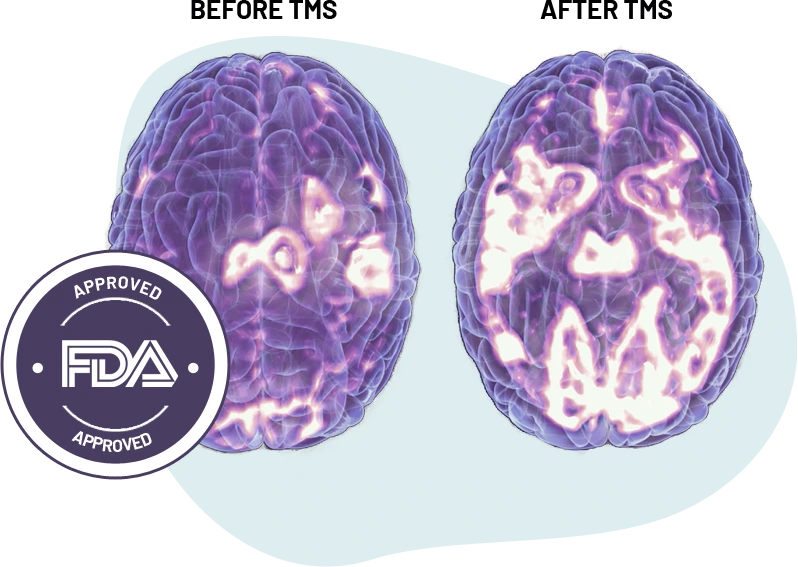
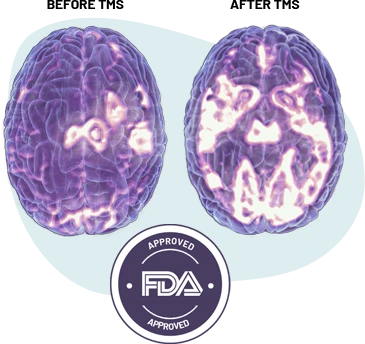
TMS has been shown to be at least twice as effective as standard treatments for treating depression when antidepressant medications and talk therapy haven’t worked.
In a multisite study of 307 patients treated in routine clinical practice, 58% responded and 37% reached full remission after a course of TMS (Carpenter et al., 2012).

The research suggests that TMS may be an effective treatment method for both generalized anxiety disorder and post-traumatic stress disorder.

Deep TMS has been shown to safely and effectively alleviate the symptoms of obsessive-compulsive disorder (OCD)

Break free from depression, for good.
What is TMS Therapy?
Transcranial Magnetic Stimulation (TMS) is a non-invasive, medication-free treatment that uses targeted magnetic pulses to stimulate the brain regions that regulate mood. FDA-cleared for depression since 2008, it is delivered in short outpatient sessions while you stay awake and alert, with no anesthesia and no systemic side effects.
Meet Dr. Nicholle Peralta, M.D.
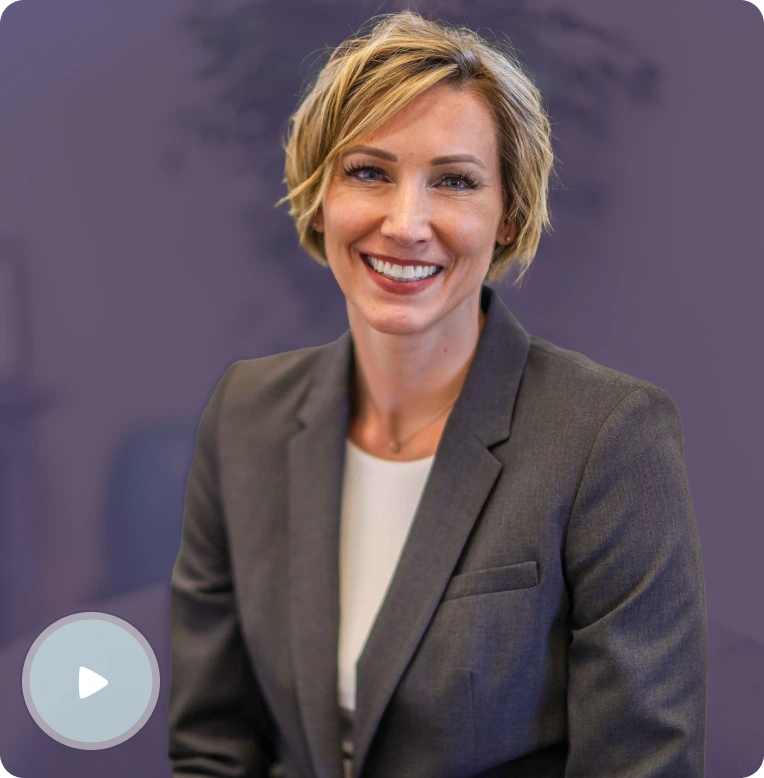
Dr. Peralta, a board-certified psychiatrist, graduated from the University of Nebraska College of Medicine and completed her psychiatry training in California. She is passionate about patient care and aims to improve quality of life through individualized treatment plans. Because traditional methods of treatment can sometimes fall short, she now offers Transcranial Magnetic Stimulation (TMS), a non-invasive solution for treatment-resistant depression, with promising research extending to other mental health conditions. Dr. Peralta is thrilled to bring this innovative and powerful treatment to Northern Colorado and seeks to help patients thrive without the side effects of medication or electroconvulsive therapy.
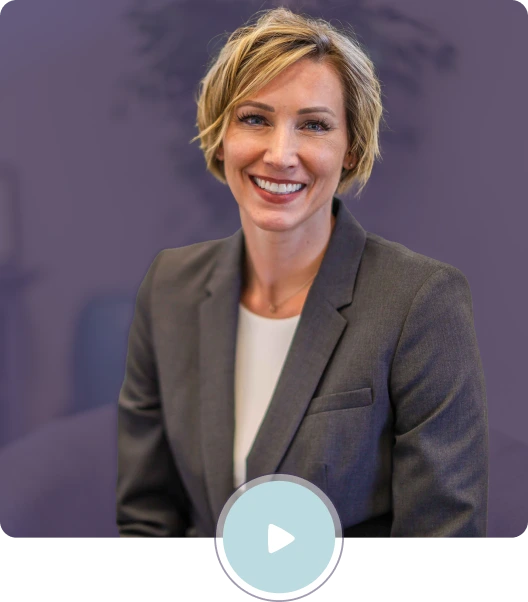
Dr. Peralta, a board-certified psychiatrist, graduated from the University of Nebraska College of Medicine and completed her psychiatry training in California.
Passionate about patient care, she aims to improve quality of life through individualized treatment plans. Despite traditional methods sometimes falling short, she now offers Transcranial Magnetic Stimulation (TMS), a non-invasive solution for treatment-resistant depression, with promising research extending to other mental health conditions. Thrilled to bring this innovative treatment to Northern Colorado, Dr. Peralta seeks to help patients thrive without the side effects of medication or electroconvulsive therapy.
TMS Therapy Treatment Highlights

Non-Invasive

30-36 Sessions

3-40 Minutes / Treatment
Each treatment typically lasts between 3-40 minutes, depending on the treatment your doctor prescribes.

Awake and Alert
What to expect from your TMS journey?
Initial Consultation
An initial phone consultation will be scheduled to discuss your symptoms, medical and treatment history, as well as whether TMS is an appropriate treatment for you. If TMS seems a good fit, we can schedule you to meet with the doctor.
Evaluation
Begin your TMS therapy journey with a comprehensive consultation led by our experienced healthcare team. Discuss your symptoms, medical history, and treatment goals to assess suitability.
Upon determining TMS therapy as an appropriate option, collaborate with our team to devise a personalized treatment plan tailored to your needs. Gain insights into session expectations and address any questions or concerns.
TMS Treatments
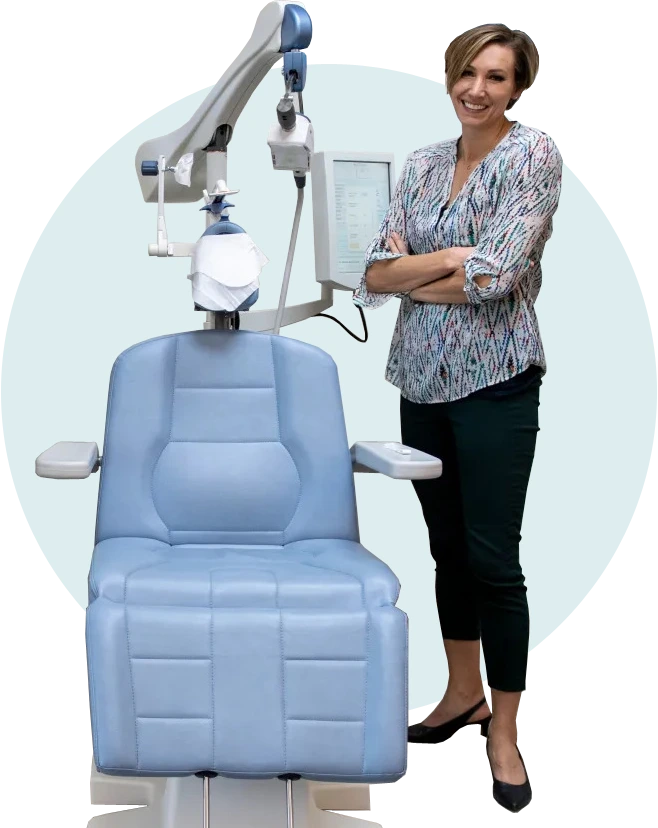
Experience TMS therapy in a comfortable outpatient setting, with sessions lasting between 3 to 40 minutes. Remain awake and alert as the electromagnetic coil delivers targeted pulses to specific brain areas involved in mood regulation.
After Treatments
Frequently asked questions about TMS therapy
What is TMS therapy?
Transcranial magnetic stimulation (TMS) is a non-invasive, medication-free treatment that uses focused magnetic pulses to stimulate the areas of the brain that regulate mood. The FDA cleared TMS for treatment-resistant depression in 2008 and for OCD in 2018; the National Institute of Mental Health lists it among the established brain stimulation therapies. At Mindset TMS in Greeley, CO, treatments are done in the office while you stay awake and alert.
How effective is TMS for depression?
In a multisite study of 307 patients treated in everyday clinical practice, 58% responded to TMS and 37% reached full remission after the acute treatment course (Carpenter et al., 2012). TMS is typically recommended when antidepressant medication and talk therapy have not brought enough relief.
How many TMS sessions will I need?
A typical course is 30 to 36 sessions, delivered 5 days a week over 4 to 6 weeks. Each session lasts about 3 to 40 minutes depending on the protocol Dr. Peralta prescribes, and accelerated TMS schedules are also available.
Does TMS hurt, and what are the side effects?
TMS is non-invasive and non-systemic, so it does not carry the weight gain, sexual side effects, or fatigue often seen with medication. The most common side effect is mild scalp irritation or a tapping sensation during the session. You stay awake, can read or watch TV, and can drive yourself home and return to work right after treatment.
Is TMS covered by insurance?
Yes. Mindset TMS accepts most major insurance plans, including Medicare, and offers financing options for out-of-pocket costs. See our TMS insurance page or call (970) 442-9933 to check your coverage.
Who is a good candidate for TMS?
Adults with depression, anxiety, OCD, or PTSD who have not gotten enough relief from medication and therapy are often good candidates. TMS is not appropriate for people with certain metal implants in or near the head. The first step is a free phone evaluation with our team: request yours here.
It's time to make a change
Clinical trials have proven the safety and efficacy of TMS Therapy in treating patients who’ve had an inadequate response to prior antidepressant medications.